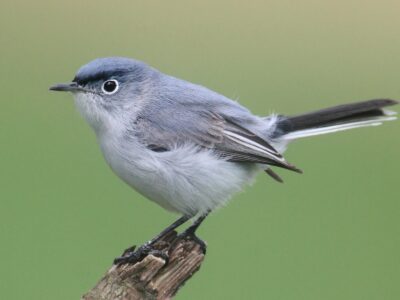
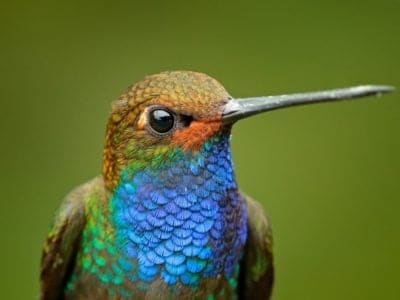
Exotic Bluegray Bird With Sharp Black Conical Beak
Birds, members of the class Aves, include more than 10,400 living species. Their feathers distinguish them from all other classes of animal; no other animals on earth have them. If you see an animal with feathers, it's undoubtedly a bird. Like mammals, birds are warm-blooded vertebrates with four-chambered hearts. However, they are more closely related to reptiles and are believed to have evolved from dinosaurs. Their forelimbs have been modified into wings over many millions of years of evolution, they lay hard-shelled eggs and they have exceptional vision – the most acute of their senses. Most birds are diurnal, meaning they sleep at night. Most can fly, but flightless species exist.
Five Top Bird Characteristics
Certain identifying characteristics distinguish birds from other classes of animals. Five especially important distinguishing characteristics of birds include:
Feathers
All birds have feathers, which are actually highly evolved scales. In fact, birds have scales on their feet – the clearest reminder of their close relation to reptiles. As noted above, feathers are not found on any other class of animal. Like nails and hair on humans, feathers are made out of keratin. They serve a number of purposes, from providing warmth to assisting in the ability to fly. Most birds shed, or molt, their feathers one or two times per year. Contour feathers help birds to fly effectively and create a streamlined body shape. Soft, fluffy feathers provide warmth. Flight feathers, found on the wings and tail, provide loft. Male birds also often use their feathers to attract mates.
Wings
Wings are a primary characteristic of birds, but they are found on other types of animals too. For example, bats are flying mammals with wings, and many types of insects have wings. Strong muscles in the chest help to propel wings, allowing for flight. Bird bodies are curved specifically to give lift to the wings. Different wing shapes provide different advantages, depending on species. For example, wings that have sharp, narrow tips allow for greater speed. Wings that are longer than they are wide make it easier for birds to soar for extended periods of time. Elliptical, evenly shaped wings, which are most notably found on songbirds, allow for small, quick movement. Birds that are capable of swimming, like penguins and puffins, have wings that are shaped like flippers.
Beaks
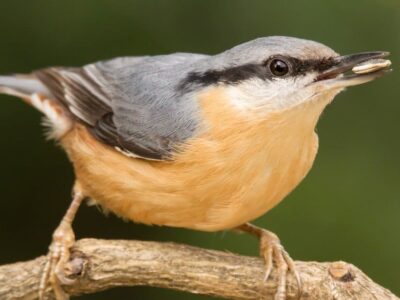
All bird species have beaks, or bills – bony concentrations that are surrounded by layers of keratin. The shape of a bird's beak provides strong clues about its dietary habits. Although some birds have tumia, sharp ridges along the edges of their beaks, none possess true teeth. Therefore, the beak plays a crucial role in feeding. Birds that primarily subsist off of seeds, for example, tend to have strong, cone-shaped beaks. Ducks, geese and other types of waterfowl have broad, flat beaks that are designed to help them strain food from water. Meat-eating birds like owls and hawks have sharp, hooked beaks that they use to grind, tear and rip their prey to shreds.
Eggs
Egg laying is another characteristic that is common to all birds, or members of the Aves class. However, it is not unique to this class of animals, as reptiles, fish, amphibians and insects also all lay eggs. Birds' eggs have hard shells that are mostly made out of calcium; a layer of hardened mucus helps to keep them intact. Within an egg, the embryo gets its nutrition from the yolk and the egg white, which is known as albumin. The vast majority of bird species build nests for their eggs and proceed to care for the hatchlings until they are capable of fending for themselves. In most species, both males and females play important roles in caring for the young.
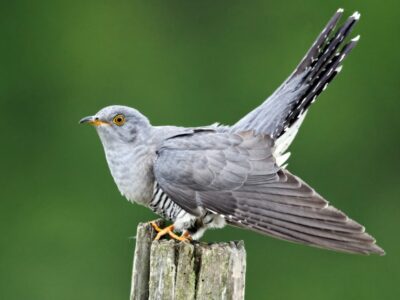
Nearly all birds incubate their eggs. Exceptions include megapodes, or mound builders, which rely on external heat sources like decaying vegetation, and brood parasites. The latter, including cuckoos and cowbirds, prefer to lay their eggs in other birds' nests. Some birds, like murres and certain penguin species, don't use nests at all, choosing instead to rest eggs on the tops of their feet during incubation. Incubation periods range from 11 to 80 days depending on species.
A set of eggs that is laid at one time is called a clutch. Anywhere from one to 20 eggs or so may be found in a single clutch. Some birds engage in determinate laying, meaning that they lay the same number of eggs per clutch every time. Most birds engage in indeterminate laying, meaning that the number per clutch varies.
Skeleton
Flightless species of birds have heavy bones that are filled with marrow. Birds that are capable of flight – in other words, most birds – have lightweight skeletons made up of hollow bones. Their skeletons have many fused bones, including collarbones, which help them to brace their wings effectively during flight. Birds have large breastbones, or sternums, that provide sturdy points of attachment for muscles of the wings.
Notable Types of Birds
Today, there are more than 10,400 extant bird species in the world. Across North America and South America, there are more than 4,400 species of the Aves class. Approximately 2,700 different species are found in Asia, and another 2,300 or so are found in Africa. More than 500 species are found in Europe west of the Ural Mountains, and more than 700 species are found in Russia. Costa Rica has one of the highest concentrations of bird species – roughly 800.
Some of the most notable types of birds include:
- Birds of Prey – This group is made up of more than 300 species of birds, including eagles, hawks, ospreys, falcons and vultures.
- Cranes – This group, which includes coots and rails, boasts more than 200 species.
- Game Birds – Perhaps the best-known type of bird, game birds include chickens, turkeys, quails and megapodes. There are approximately 250 species of game birds in the world.
- Herons and Storks – More than 100 species are found in this group, which includes egrets, spoonbills and ibises.
- Hummingbirds and Swifts – The smallest category of birds, this group includes more than 400 different species.
- Ostriches – The ostrich, the most famous flightless bird, is also the only species in its genus. It also holds the distinction of being among the largest birds.
- Owls – Another important type of bird is the owl. There are more than 200 species of owls across the world.
- Parrots and Cockatoos – This colorful group, which includes macaws, cockatiels and budgerigars, consists of more than 350 species. They are popularly kept as pets.
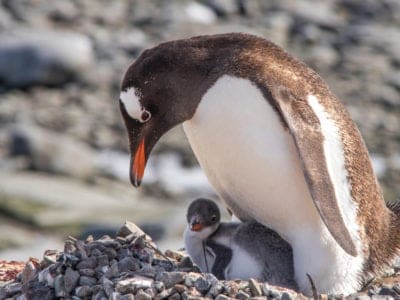
- Penguins – There are roughly 20 species of this flightless bird in the world.
- Perching Birds – Also known as passerines, this group includes more than 5,000 species, making it the largest and most diverse. Common types of perching birds include crows, swallows, jays, finches, sparrows, wrens, starlings and larks.
- Pigeons and Doves – This group includes more than 300 bird species. Pigeons are famous for ferrying messages for humans, and have been used in such a way since Roman times. They were also used during World War I and II and the Korean War.
- Shorebirds – More than 350 species are found in this group, including sandpipers, terns, oystercatchers and gulls.
- Waterfowl – Ducks, geese, swans and many other birds belong to this group, which includes more than 150 species.
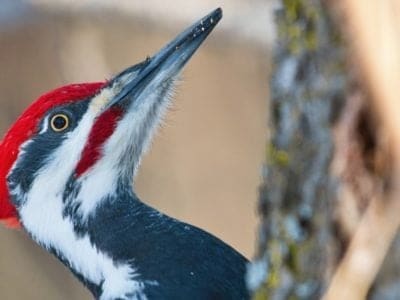
- Woodpeckers and Toucans – Known for their distinctive beaks, this group is made up of more than 400 species.
Evolution of Birds
The evolution of birds has been a topic of much debate for many centuries. Today, the most commonly accepted theory, the theropod ancestor hypothesis, posits that birds evolved from theropod dinosaurs during the Jurassic period, which happened between 165 million and 150 million years ago. Theropod dinosaurs were two-legged dinosaurs, and the T. Rex is included among their ranks.
The earliest known bird on the fossil record, archaeopteryx, was a hybrid between a bird and a dinosaur. It had feathered wings like a bird but also had sharp teeth and a long, bony tail like a dinosaur. This and other types of early birds diversified rapidly throughout the Jurassic and Cretaceous periods. They quickly became capable fliers and exhibited extremely rapid growth rapids. However, their populations were decimated by the major extinction event that eliminated dinosaurs entirely. After that point, modern birds diversified at an explosive rate, and there are now more than 10,000 different species all across the world.
Types of Birds
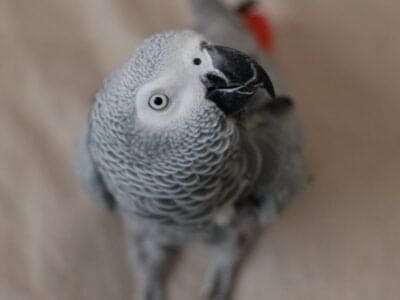
African Grey Parrot
When a grey parrot named Yosuke got lost, it was reunited with its owner after giving the owner's name and address.
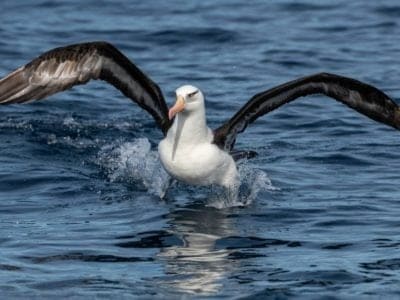
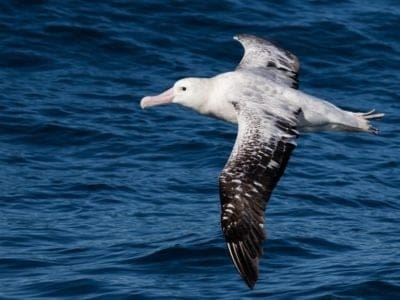
Albatross
The largest wingspan of any bird in the world!
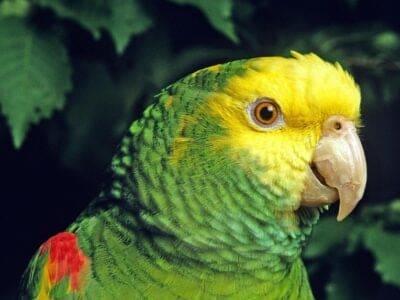
Amazon Parrot
These parrots can be trained to be "talking birds" that mimic human speech
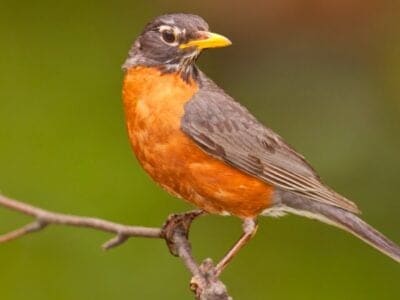
American Robin
The color "Robin egg blue" is named after the hue of their eggs.

Avocet
Has a curved, upturned beak!
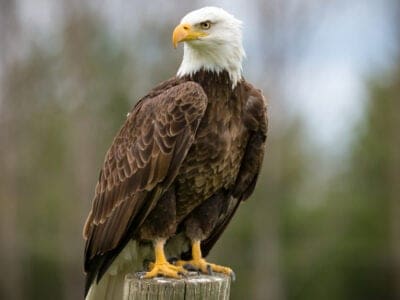
Bald Eagle
Bald eagles have 20/5 vision, which is much sharper than a human's
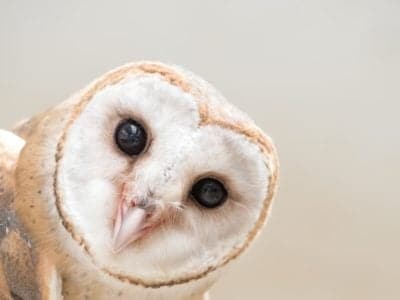
Barn Owl
Found everywhere around the world!
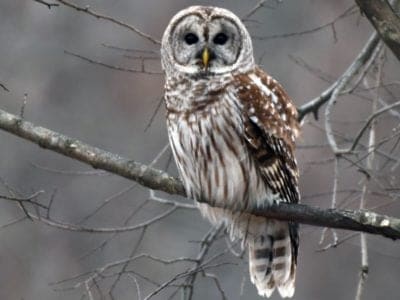
Barred Owl
Like other owls, the barred owl swallows its prey whole.
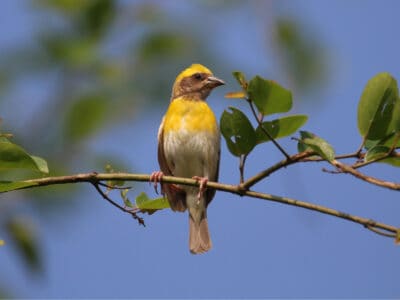
Baya
The baya constructs a massive nest out of plant fibers
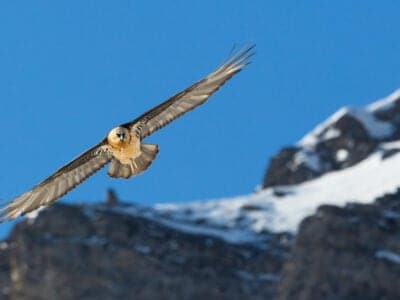
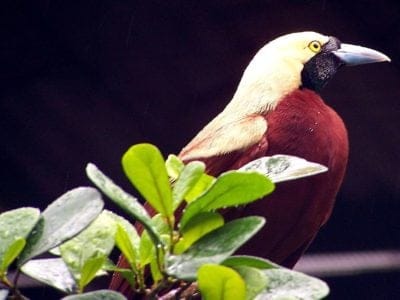
Bird
Not all birds are able to fly!
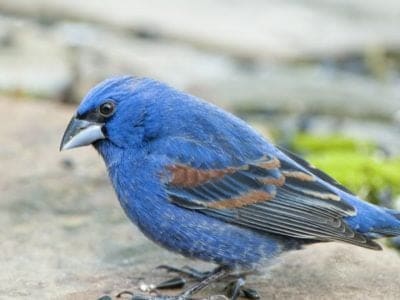
Blue grosbeak
Blue grosbeak parents take off the head, legs and wings of an insect before feeding it to their baby.
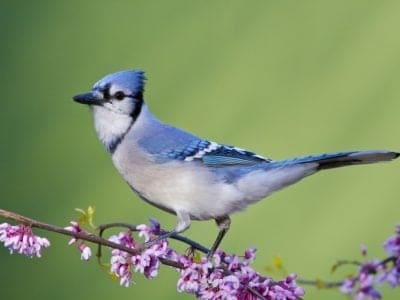
Blue Jay
Blue jays rub ants on their feather to remove harmful acids
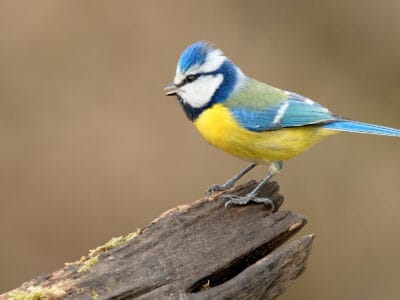
Blue Tit
The blue tit can hang upside down from branches
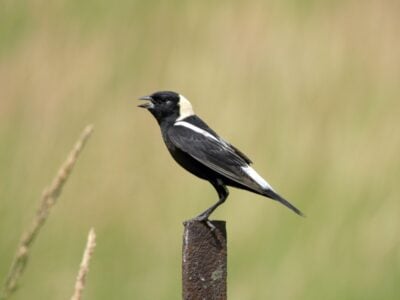
Bobolink
In spring, the male bobolink is the only North American bird who is dark below and light colored above. This makes identification easy.
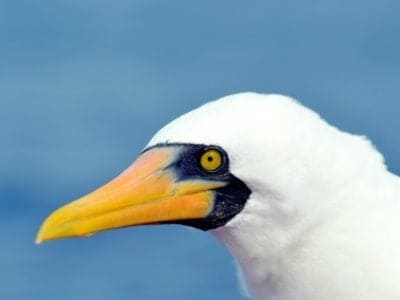
Booby
Seabirds found across the South Pacific!
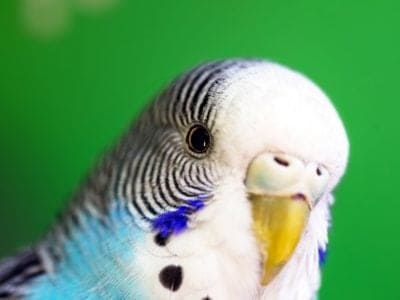
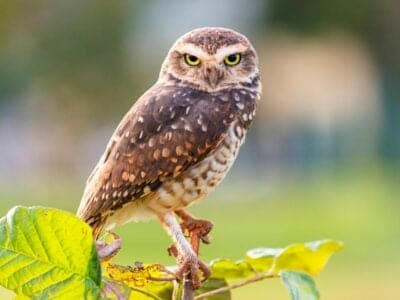
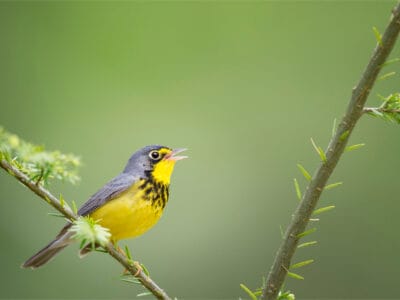
Canada Warbler
These birds travel more than 3,000 miles during migration!
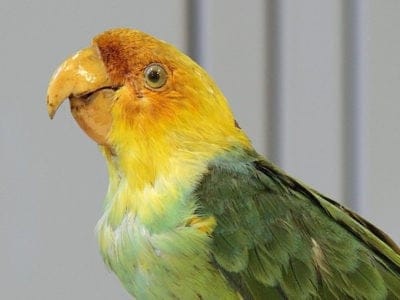
Carolina Parakeet
The Carolina parakeet is one of the few parrots that lived as far north as the United States
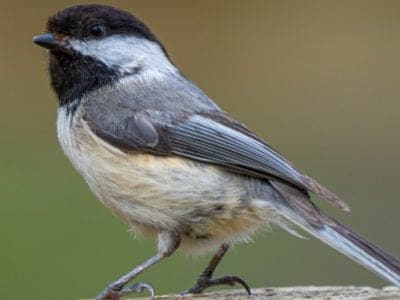
Chickadee
Chickadees are named for the sound they make: Chick-a-dee-dee-dee-dee-dee!
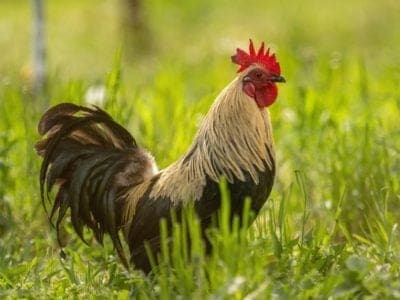
Chicken
First domesticated more than 10,000 years ago!
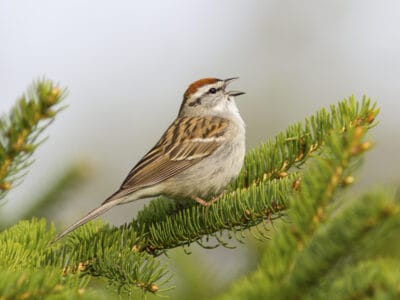
Chipping Sparrow
Gets its nickname "hair bird" due to the fact that it lines its nest with animal hair
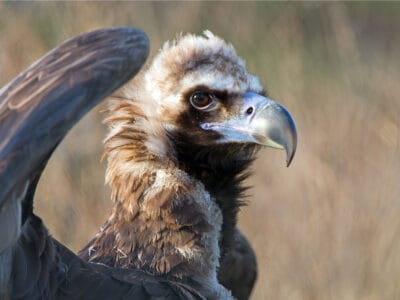
Cinereous Vulture
This vulture can fly at great heights. At least one was found a few thousand feet from the top of Mount Everest.
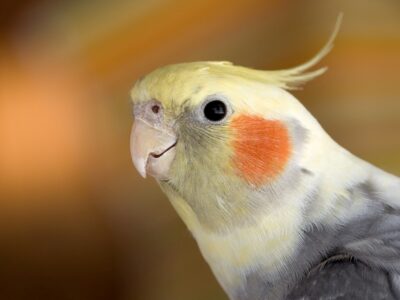
Cockatiel
They have crests that rise or fall depending on their emotions
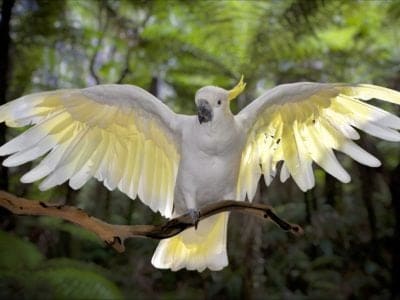
Cockatoo
Highly social, smart, and chatty bird.
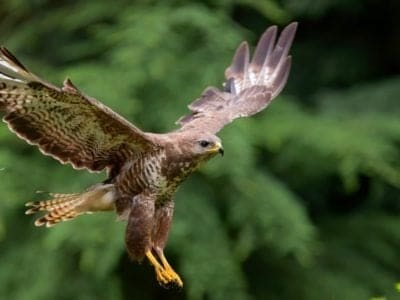
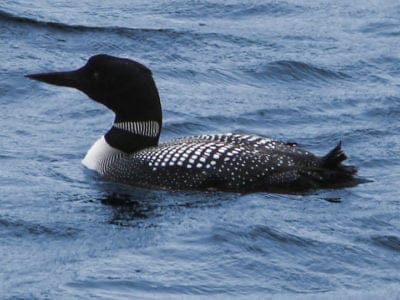

Common Raven
A group of ravens is called an unkindness or a conspiracy.
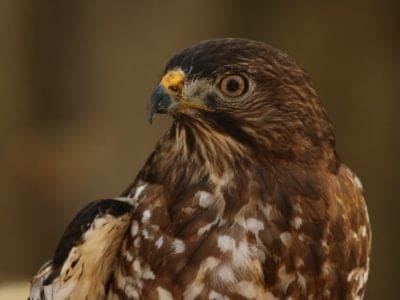
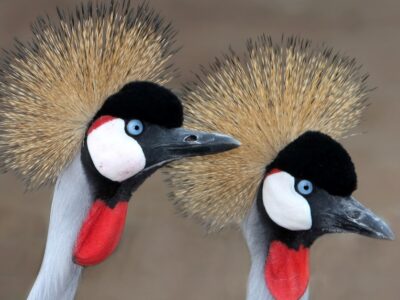
Crane
Many are critically endangered species!
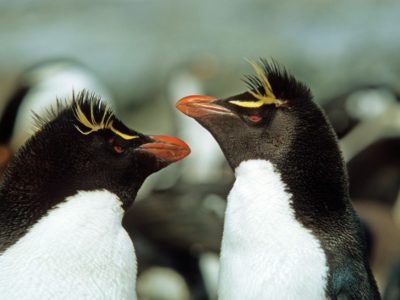
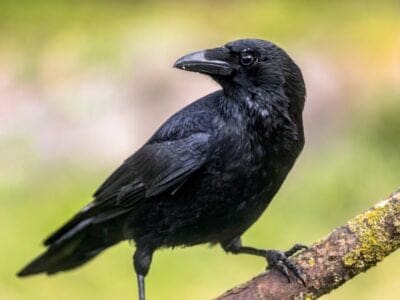
Crow
A group of these birds is called a Murder.
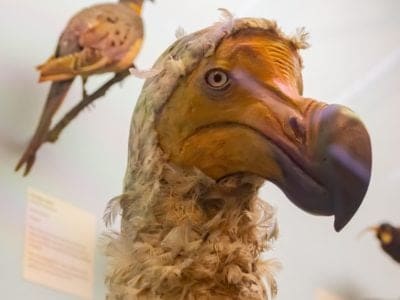
Dodo
Native to the island of Mauritius!
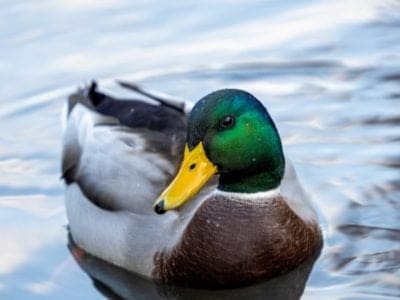
Duck
Rows of tiny plates line their teeth!
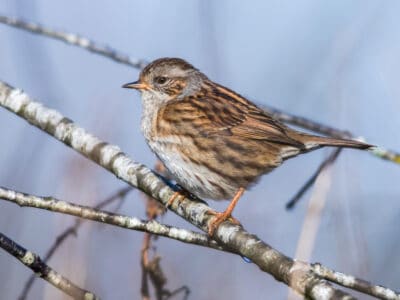
Dunnock
Both male and female dunnocks can have multiple mates every breeding season
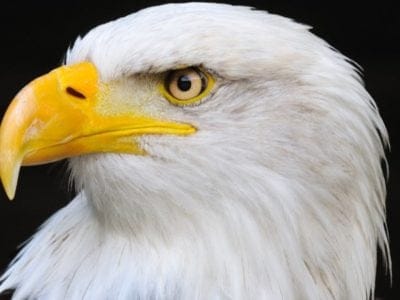
Eagle
Has exceptional eyesight!

Eastern Bluebird
Bluebirds drop straight down on their prey from their perch, much like leopards.
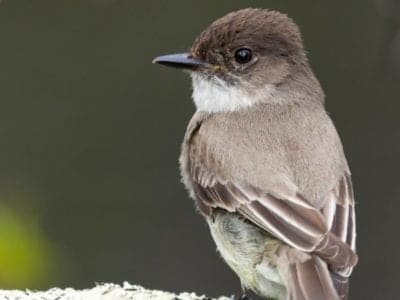
Eastern Phoebe
This passerine bird can sing its song without ever hearing another bird vocalize first.
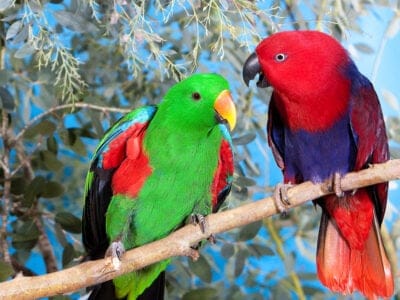
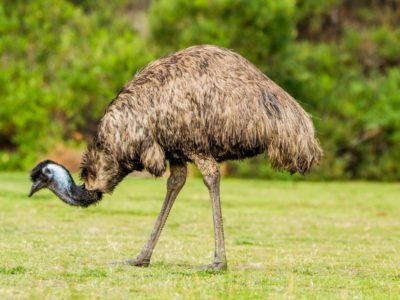
Emu
The largest bird in Australia!
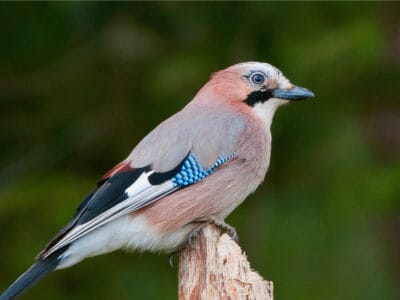
Eurasian Jay
The Eurasian jay has the ability to mimic other sounds
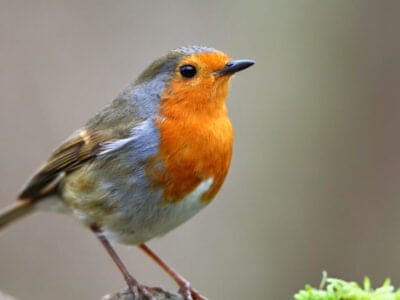
European Robin
Male robins are so aggressive and territorial that they will attack their own reflections.
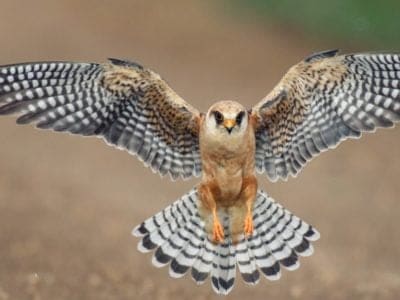
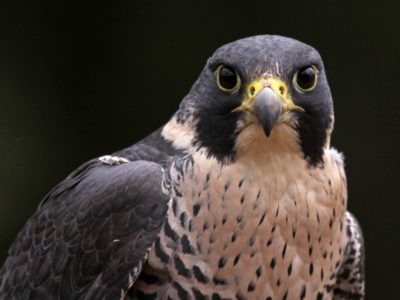
Falcon
The fastest creatures on the planet!
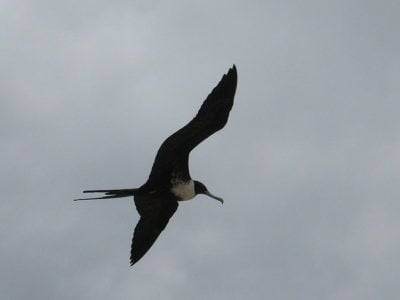
Frigatebird
Found inhabiting tropical islands and coasts!

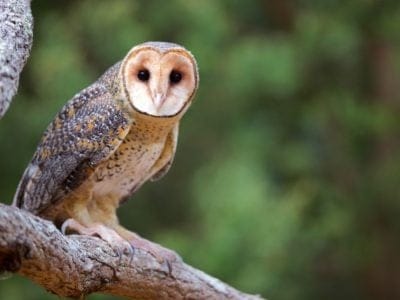
Golden Masked Owl
While flying high above this owl can hear a mouse moving in the tall grass of field!
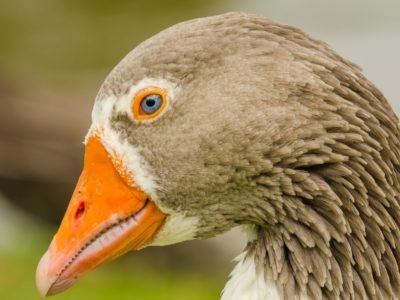
Goose
There are 29 different species!
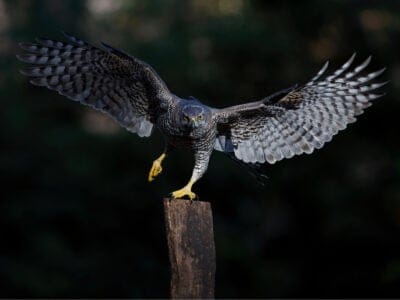
Goshawk
The goshawk is a popular choice among European falconers
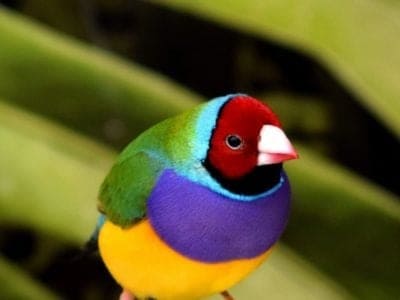
Gouldian Finch
The male Gouldian finch bobs its head and fluffs its feathers to court a female.
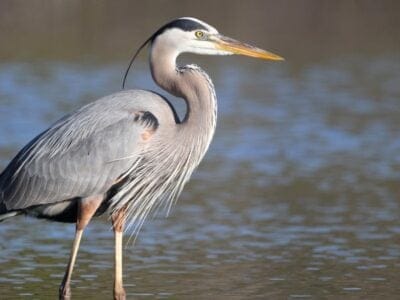
Great Blue Heron
Their wingspan is larger than an eagle's; both males and females help hatch the eggs; rich in symbolism
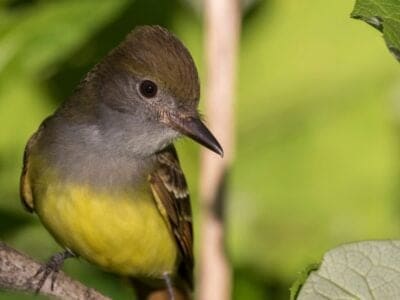
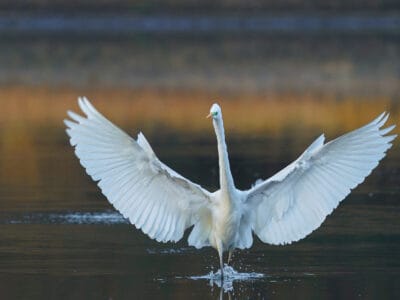
Great Egret
The male egret performs an elaborate courtship display to attract a mate
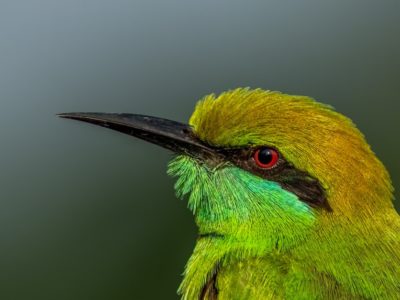
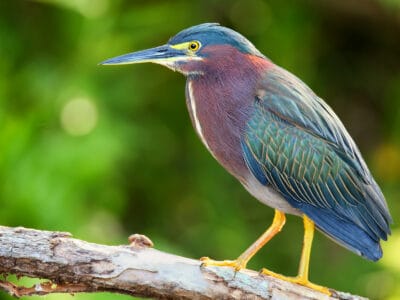
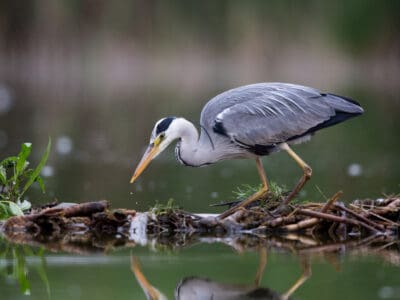
Grey Heron
Male grey herons are picky about their mates. They'll reject a female that they don't fancy.
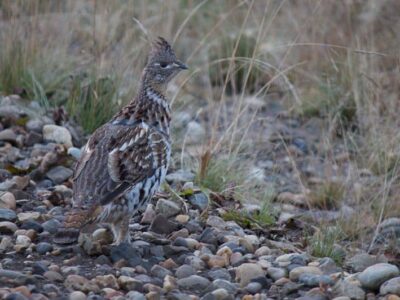
Grouse
Feathered legs and toes!
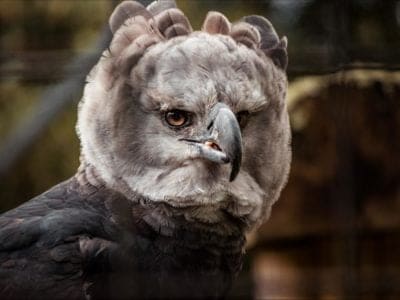
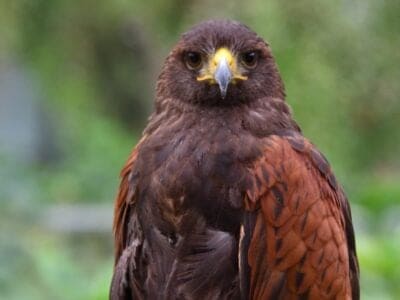
Harris Hawk
Their vision is eight times better than a human's
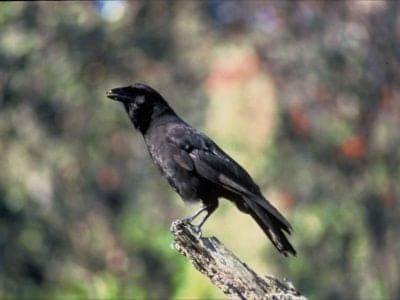
Hawaiian Crow
Once believed to be a family guardian spirit in Hawaii
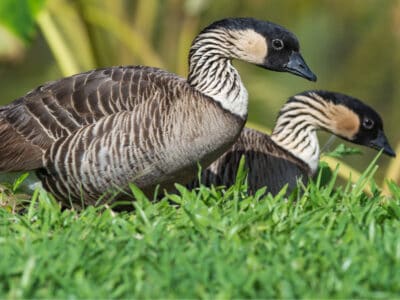
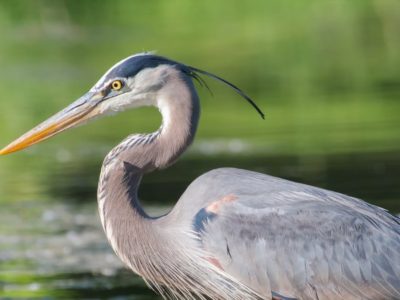
Heron
Inhabits wetlands around the world!
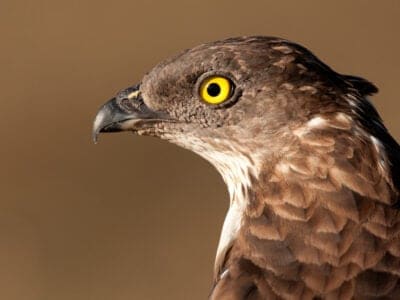
Honey Buzzard
Honey buzzards are medium-sized raptors that earned their names by raiding the nests of bees and wasps.
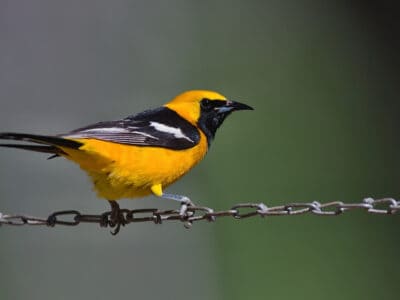
Hooded Oriole
Hooded orioles have a strong sweet tooth that makes nectar and jelly among its favorite foods.
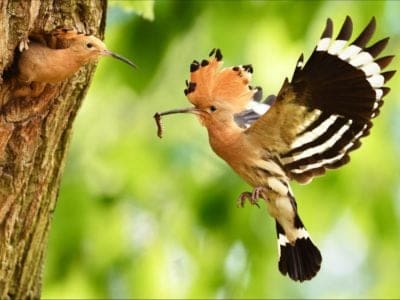
Hoopoe
Stunning bird with a stinky way to deter predators!
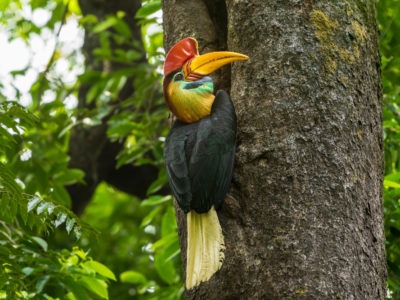
Hornbill
The bird has a massive horn on its bill!
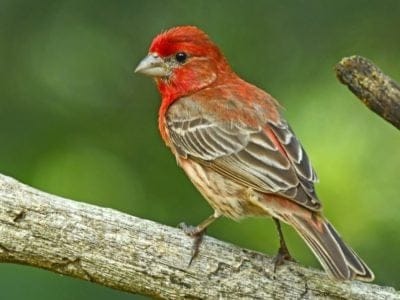
House Finch
The house finch can become redder depending on what it eats
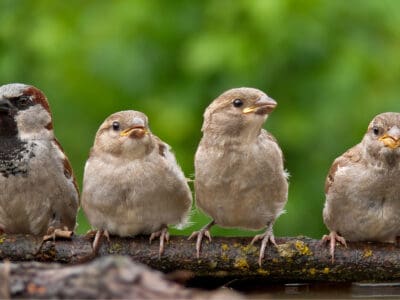
House Sparrow
The house sparrow has been introduced all over the world
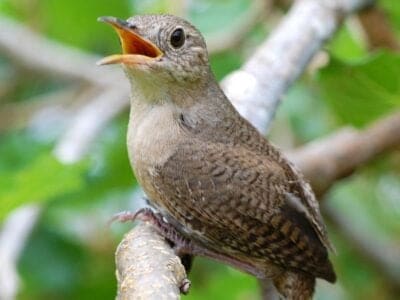
House wren
The wren's epithet, aedon, comes from a Greek queen who accidentally killed her only son. She was actually aiming for her nephew, and Zeus took pity on her and turned her into a nightingale.
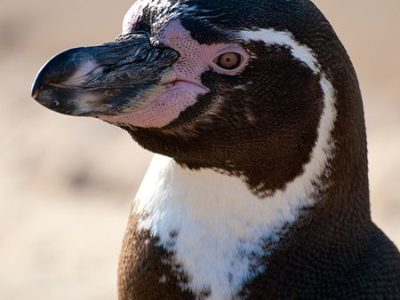
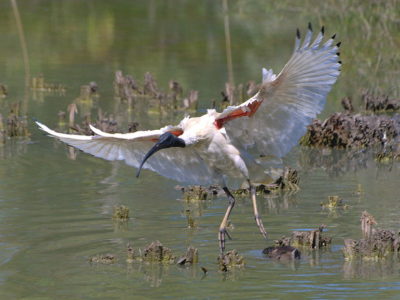
Ibis
Found in swamps, marshes and wetlands!

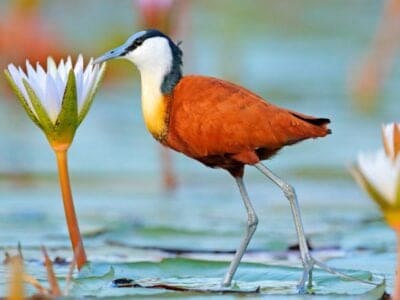
Jacana
The jacana has the ability to swim underwater

Jackdaw
The jackdaw tends to mate for life with a single partner
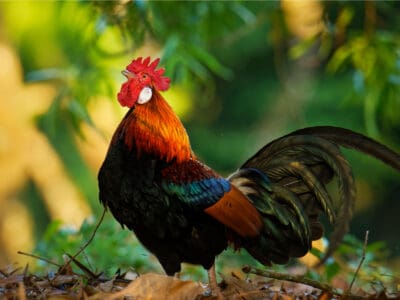
Junglefowl
The term "pecking order" comes from junglefowls' hierarchies among both sexes
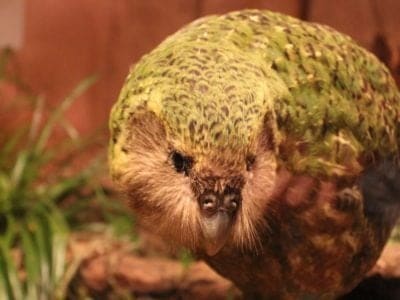
Kakapo
The heaviest species of parrot in the world!
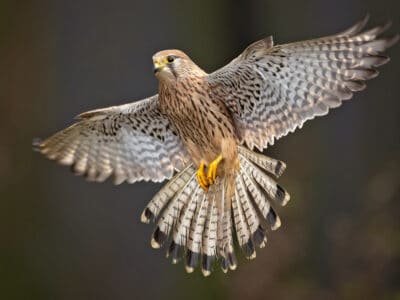
Kestrel
Can hang suspended on wind currents
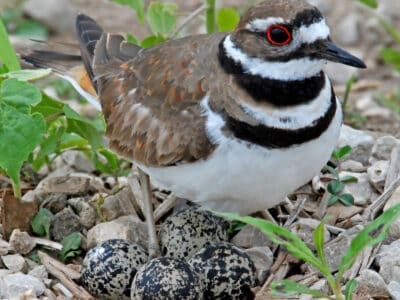
Killdeer
The killdeer feigns injury to draw a predator away from its nest.
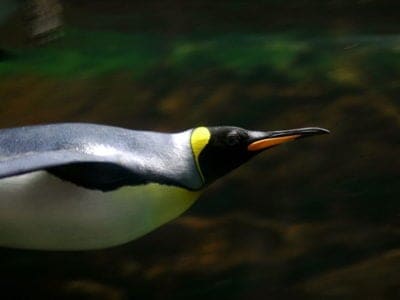
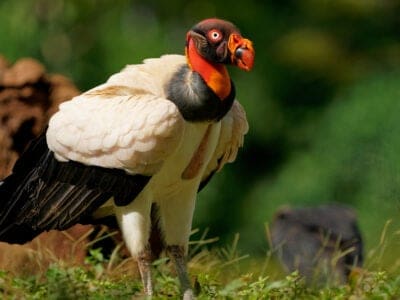
King Vulture
The king vulture is the second largest New World vulture species
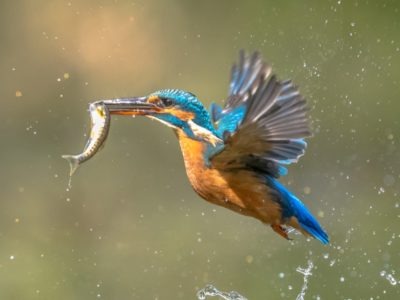
Kingfisher
Inhabits wetlands and woodlands worldwide!
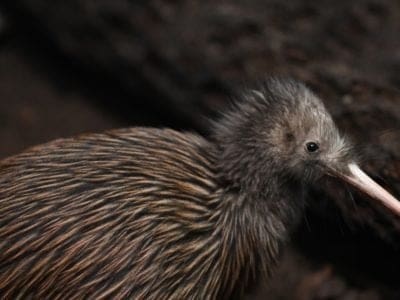
Kiwi
Only found in the forests of New Zealand!
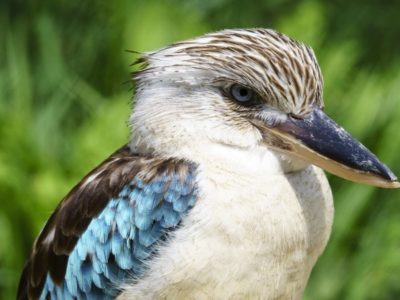
Kookaburra
The laughing kookaburra is one of four kookaburra species.
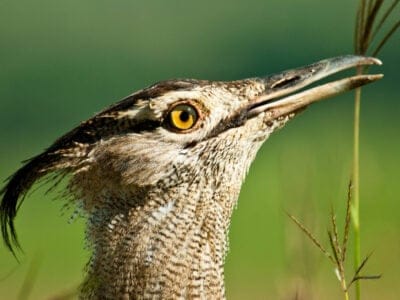
Kori Bustard
It's easily identified by its crest, large size, and wingspan
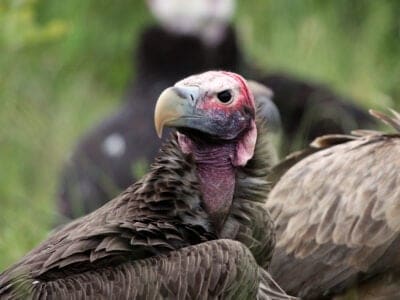
Lappet-faced Vulture
Lappet-faced vultures are tidy and wash their heads in a body of water after they've eaten
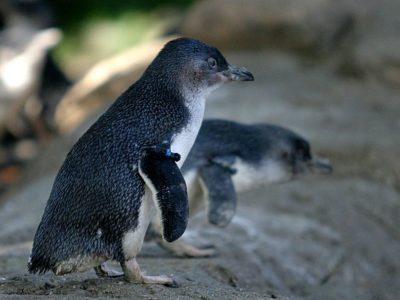
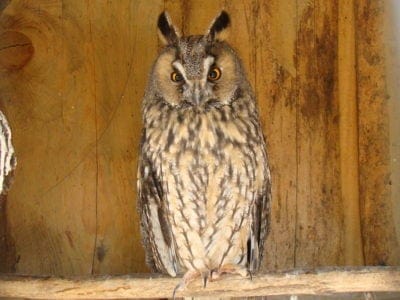
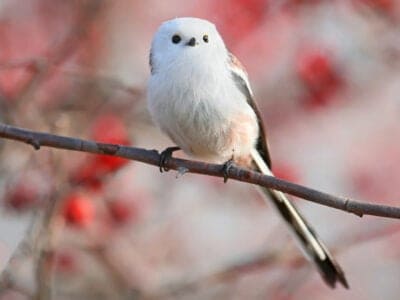

Lorikeet
The lorikeet has a long brush-like tongue with fine hairs on it
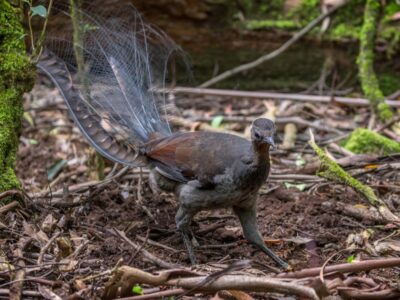
Lyrebird
Lyrebirds mimic birds of prey to deter predators such as birds of prey.
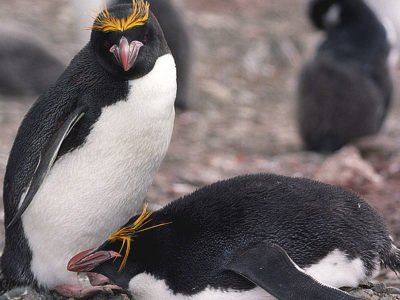
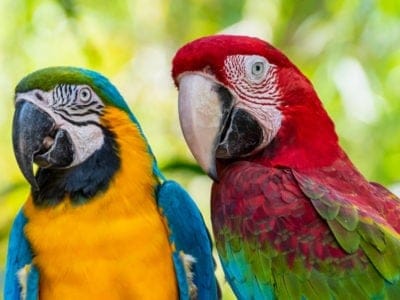
Macaw
The largest species of parrot in the world!
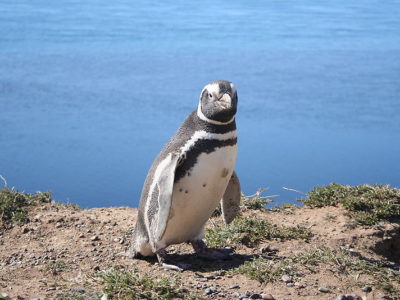
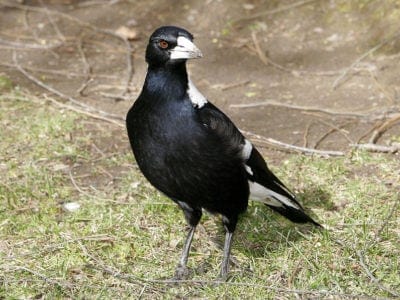
Magpie
They are found across Europe, Asia and Africa!
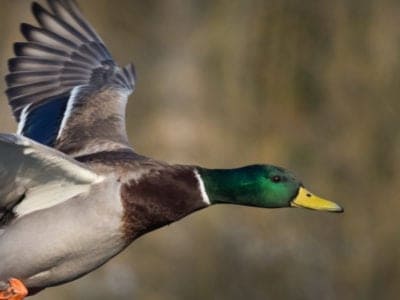
Mallard
With an appropriate tail wind, the mallard can travel hundreds of miles a day
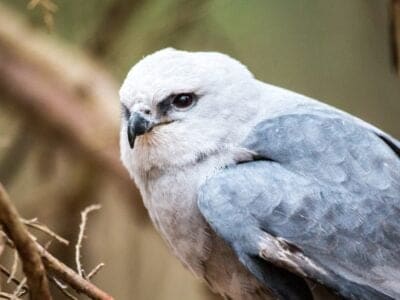
Mississippi Kite
The Mississippi kite tends to form a monogamous pair bond for life
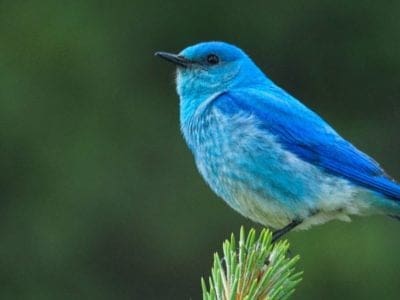
Mountain Bluebird
Depending on the time of the year, the mountain bird can live as far north as Alaska.
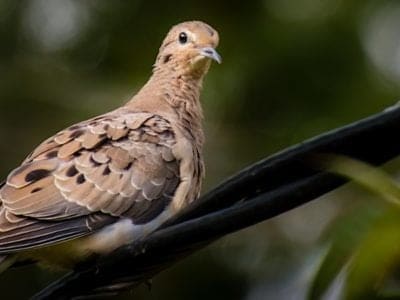
Mourning Dove
It is almost always the male who makes the famous sad sound, which is a wooing call
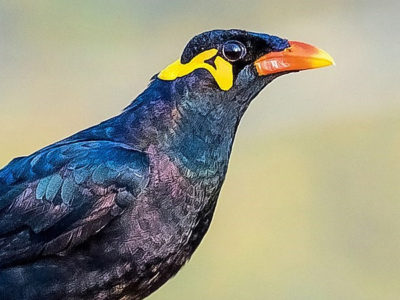
Myna Bird
For a nice price, the mynah bird makes a good pet.
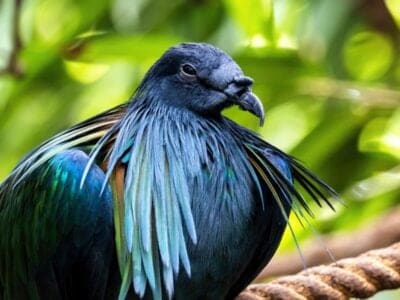
Nicobar pigeon
Unlike other pigeons, Nicobar pigeons don't fly in haphazard flocks but in columns or single file.
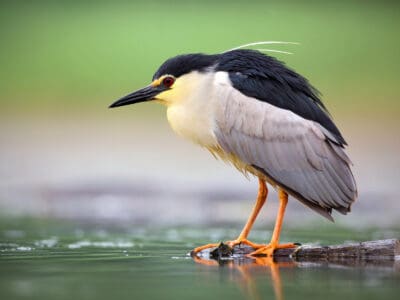
Night Heron
When they feel threatened juvenile night herons vomit their stomach contents.
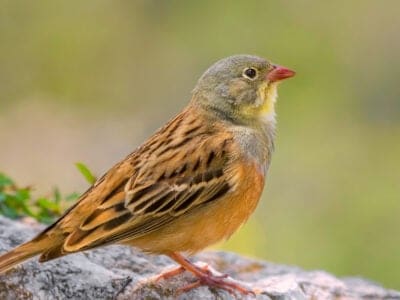
Ortolan Bunting
The tradition of hiding your face with a napkin or towel while eating this bird was begun by a priest who was a friend of the great French gastronome Jean Anthelme Brillat-Savarin.
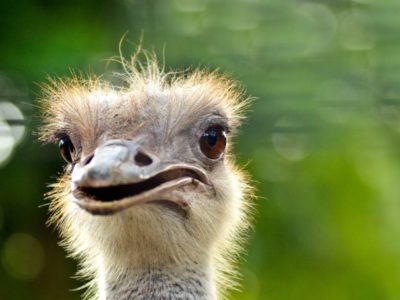
Ostrich
The largest bird in the world!
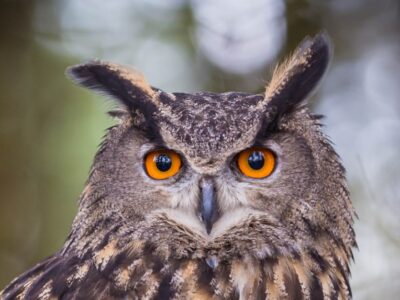
Owl
The owl can rotate its head some 270 degrees
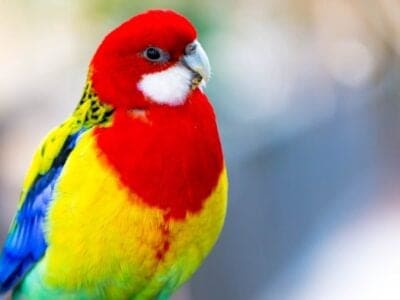
Parakeet
Monk parakeets are the only parakeets that actually build nests. They're also the only parakeets to nest in great colonies.
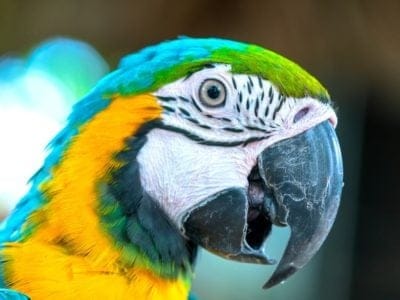
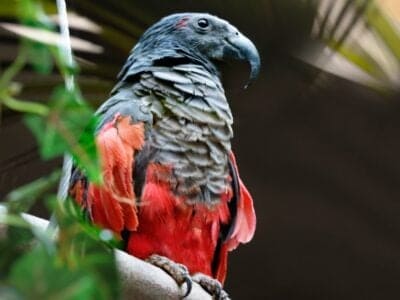
Parrot
Can live for up to 100 years!
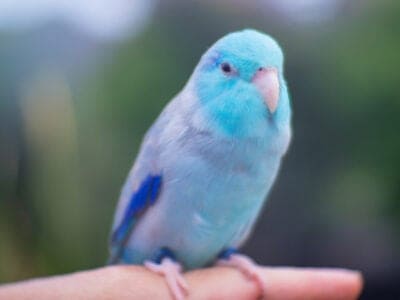
Parrotlet
Parrotlets aren't the world's tiniest parrot — that would be the pygmy parrot of Australasia.
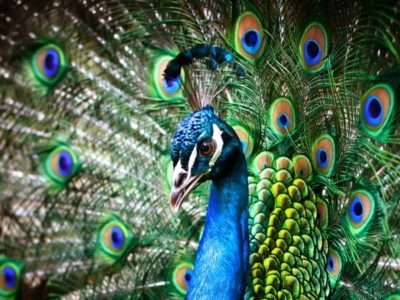
Peacock
Most commonly found on the Indian mainland!
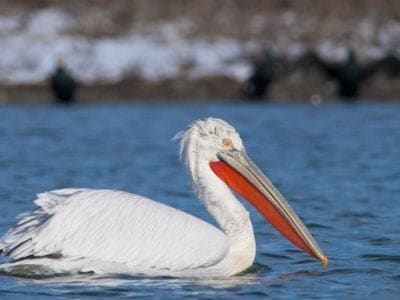
Pelican
Can have a wingspan of up to 3 meters!
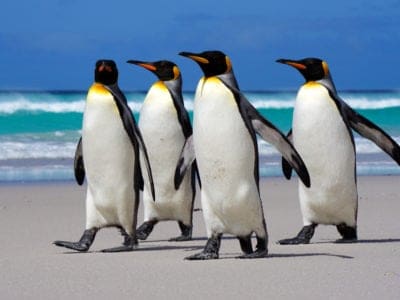
Penguin
Spends 75% of it's time hunting for food!
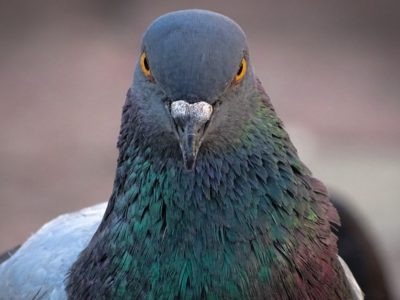
Pigeon
They can find their way back to their nests from up to 1300 miles away.
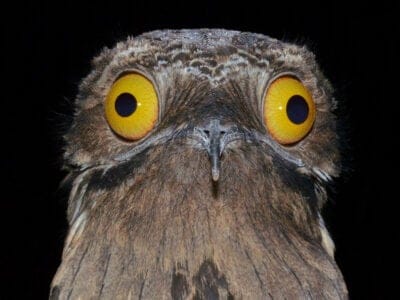
Potoo
The potoo's eyelids have slits that let them see even when their eyes are closed.
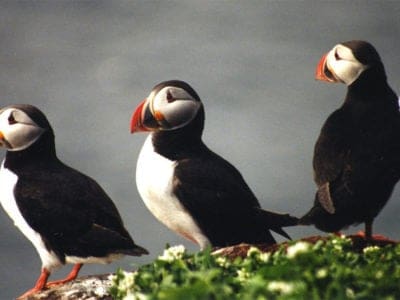
Puffin
Can remain in the water for up to 2 minutes!
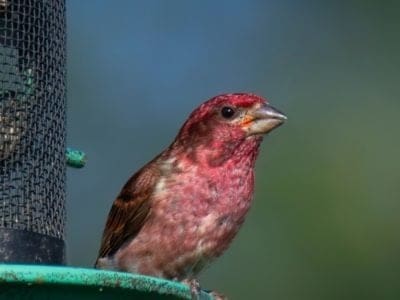
Purple Finch
The intensity of the plumage can change based on what the bird eats
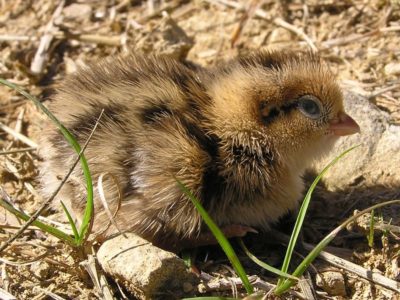
Quail
Inhabits woodland and forest areas worldwide!
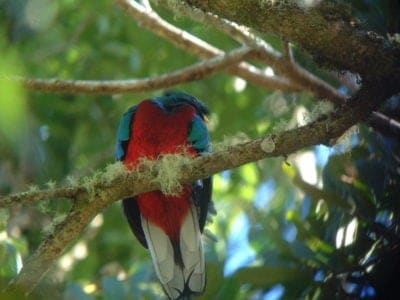
Quetzal
The tail feathers of the male can be 1m long!
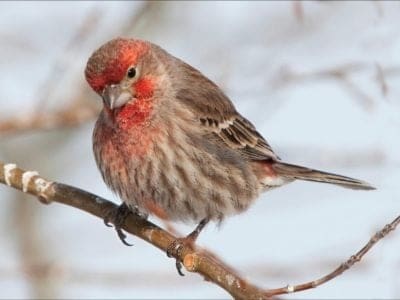
Red Finch
Red finches can form flocks of over 100 birds.
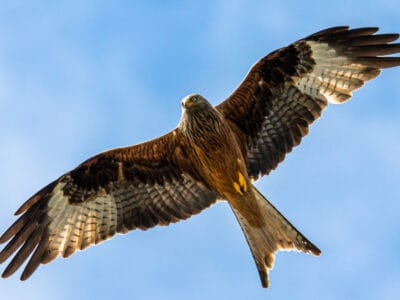
Red Kite
This bird moves its tail to steer its body like a rudder on a boat.
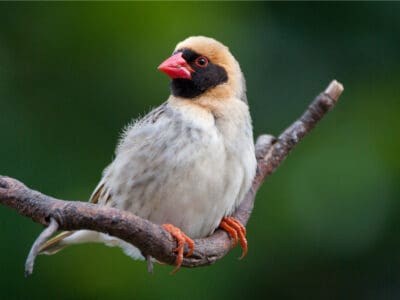
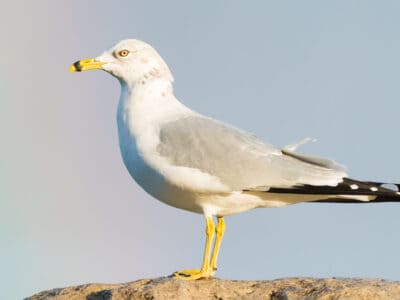
Ring-billed Gull
The ring-billed gull feeds on vast quantities of human waste and garbage.
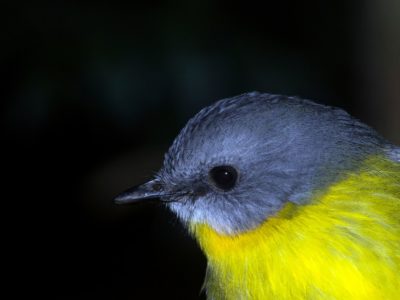
Robin
There are more than 45 species in Australia alone!
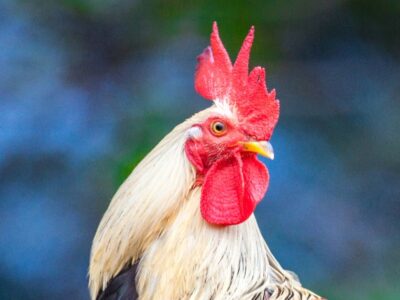
Rooster
Will mate with the entire flock!
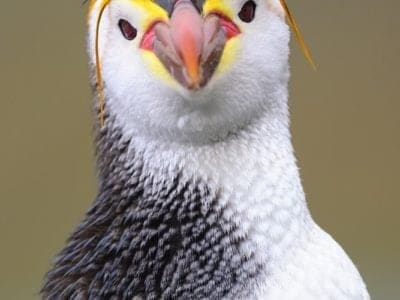
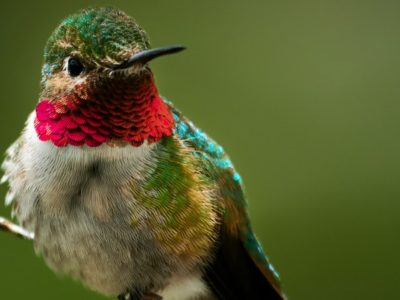
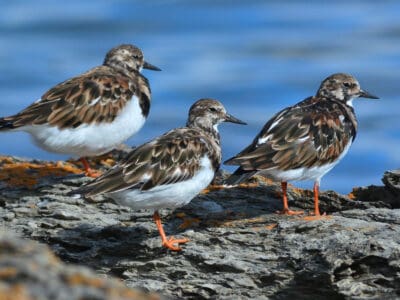
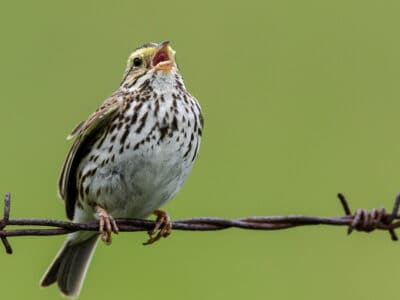
Savannah Sparrow
The Savannah sparrow gets its name because one of the first of this type of bird was found in the city of Savannah, Georgia.
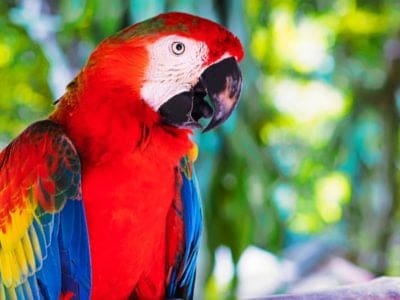
Scarlet Macaw
Like many parrots, the scarlet macaw is capable of vocal mimicry.
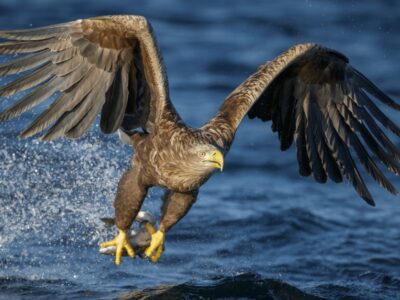
Sea Eagle
The sea eagle tends to mate for life with a single partner
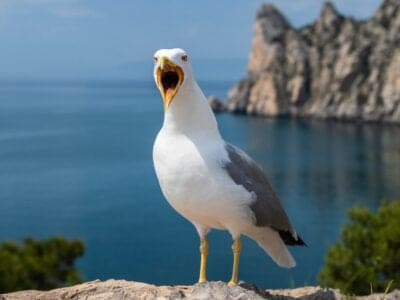
Seagull
Some gulls are capable of using tools
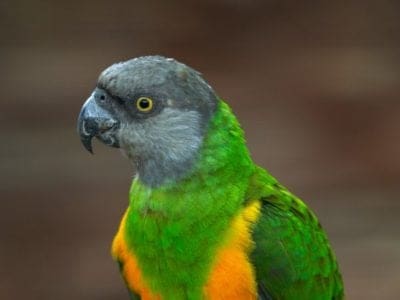
Senegal Parrot
As a pet, the Senegal parrot is capable of "talking" to its owner
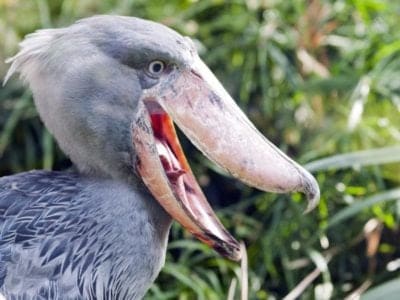
Shoebill Stork
Adults greet each other by clattering their bills together.
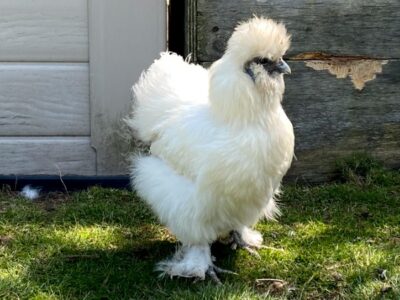
Silkie Chicken
Silkie hens are excellent mothers and will tid-bit food with her young. This means she goes over to the food or treats, has a bite, then calls the chick over to her to share. Silkie hens will raise any bird as their own and have been known to patiently sit on a clutch of duck or geese eggs until they hatch.
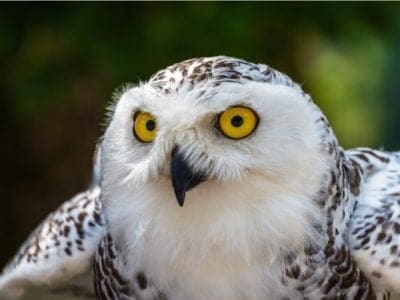
Snowy Owl
One of the largest owl species in the world!
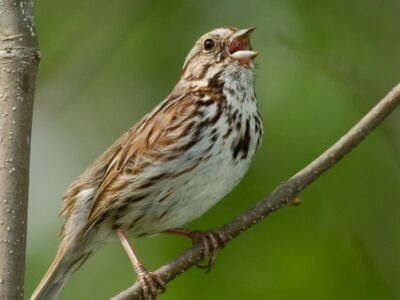
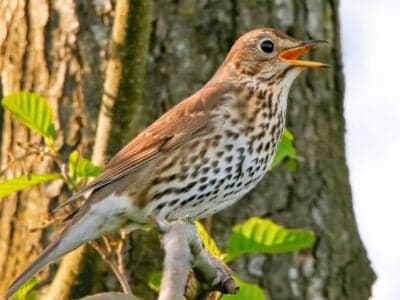
Song Thrush
A male song thrush can have over 100 phrases in his repertoire of songs and can imitate pet birds, telephones and other man-made objects.
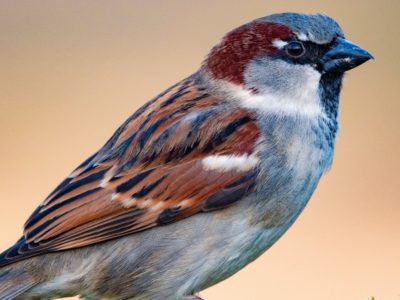
Sparrow
There are 140 different species!
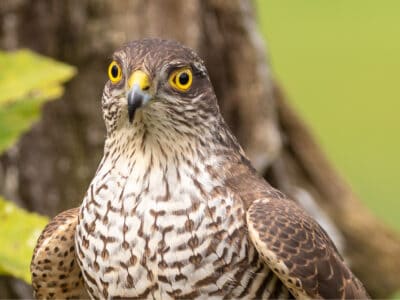
Sparrowhawk
The sparrowhawk is named after the fact that it hunts down and consumes sparrows
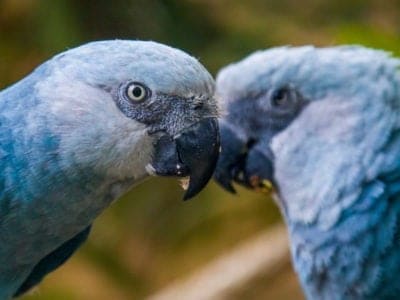
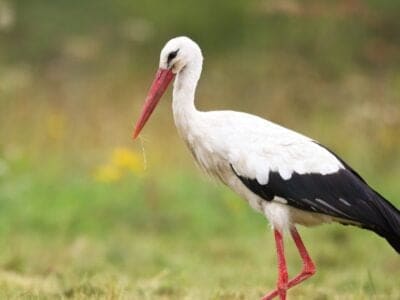
Stork
They can't sing like other birds.
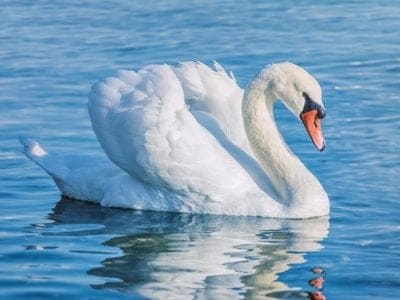
Swan
Populations have been affected by pollution!
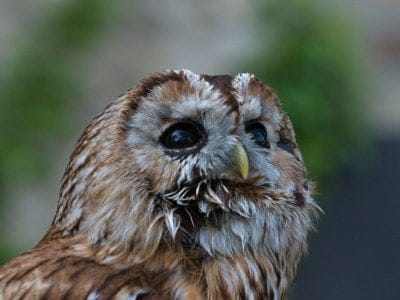
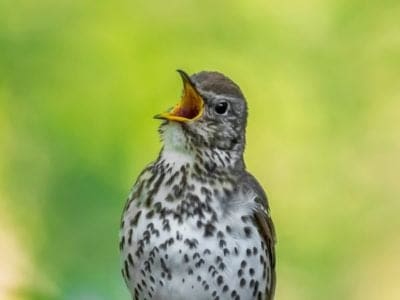
Thrush
The American robin is called the robin because its red breast reminded European settlers of the robin back in the old country.
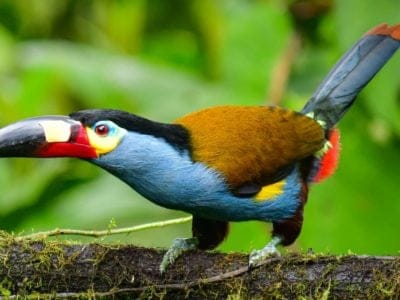
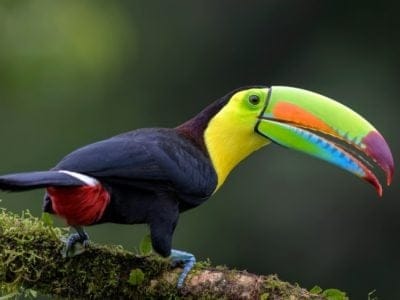
Toucan
There are more than 40 different species!
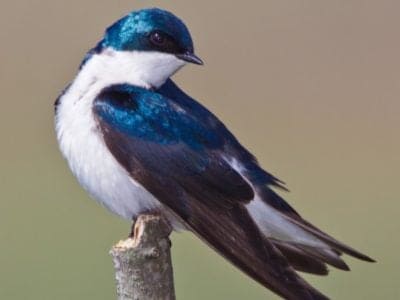
Tree swallow
The tree swallow can make more than a dozen distinct vocalizations
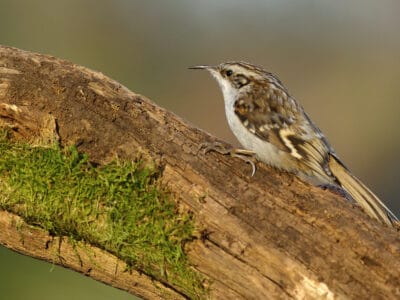
Treecreeper
Their tailfeathers help them maintain their balance on a tree trunk
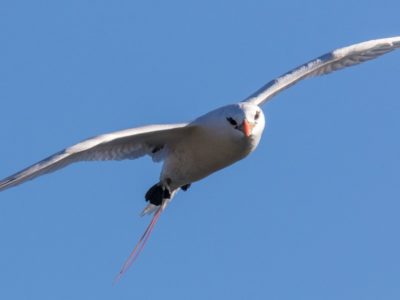
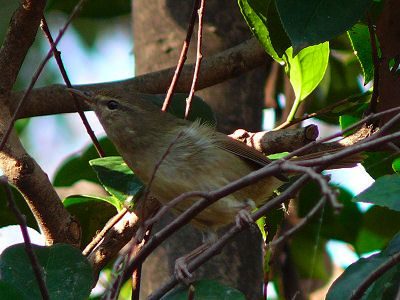
Uguisu
Their guano is used in face creams!
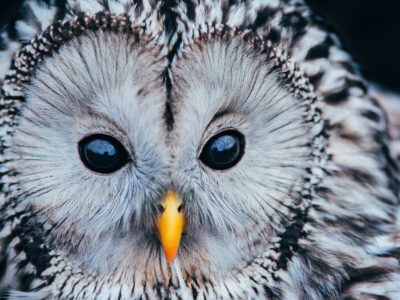
Ural owl
The Ural owl can rotate its head up to 270 degrees
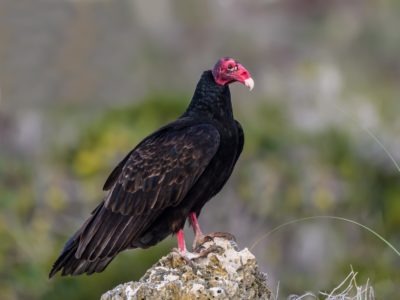
Vulture
There are 30 different species worldwide!
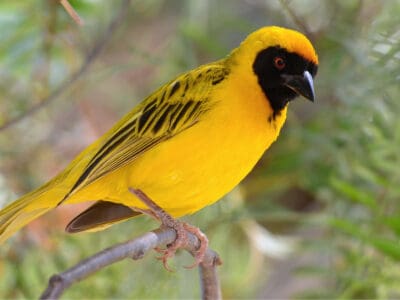
Weaver Bird
The weaver constructs an elaborate nest for the breeding season
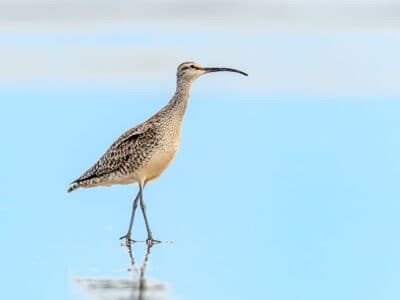
Whimbrel
The fastidious whimbrel sometimes washes off its prey before it eats it.
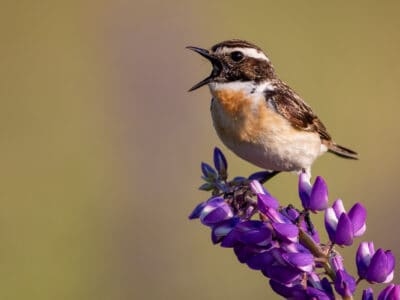
Whinchat
The whinchat can imitate the songs of at least a dozen other tpes of birds!
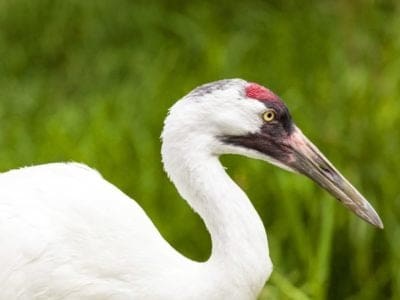
Whooping Crane
This species is named after the loud whooping sound it makes
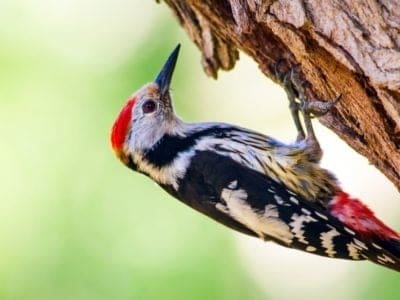
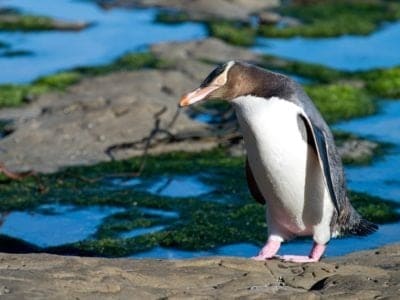

Zebra Finch
The male zebra finch creates a unique song by drawing inspiration from its parent or tutor
List of Birds
- Adelie Penguin
- African Grey Parrot
- African Penguin
- Albatross
- Amazon Parrot
- American Robin
- Avocet
- Bald Eagle
- Barn Owl
- Barn Swallow
- Barred Owl
- Baya
- Bearded Vulture
- Bird
- Bird Of Paradise
- Black-Capped Chickadee
- Blackpoll Warbler
- Blue Gray Gnatcatcher
- Blue grosbeak
- Blue Jay
- Blue Tit
- Bobolink
- Booby
- Budgerigar
- Burrowing Owl
- Canada Warbler
- Carolina Parakeet
- Cassowary
- Chickadee
- Chicken
- Chinese Geese
- Chinstrap Penguin
- Chipping Sparrow
- Cinereous Vulture
- Cockatiel
- Cockatoo
- Common Buzzard
- Common Loon
- Common Raven
- Cooper's Hawk
- Crane
- Crested Penguin
- Crow
- Cuckoo
- Dodo
- Duck
- Dunnock
- Eagle
- Eastern Bluebird
- Eastern Phoebe
- Eclectus Parrot
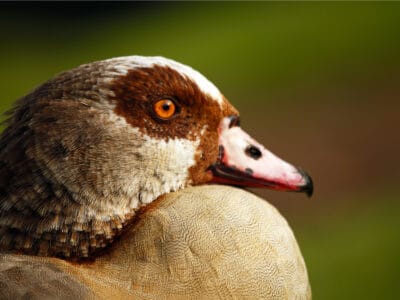
- Egyptian Goose
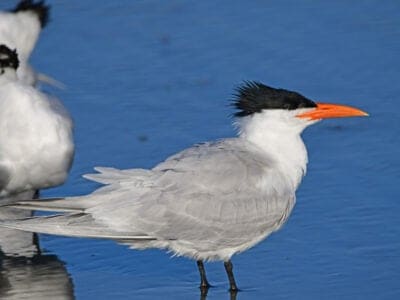
- Elegant Tern
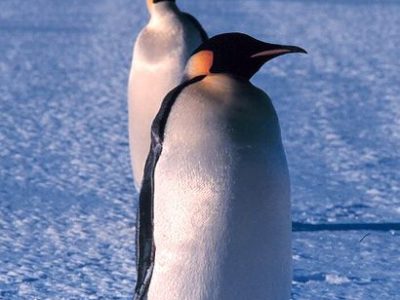
- Emperor Penguin
- Emu
- Eurasian Jay
- Eurasian Nuthatch
- European Bee-Eater
- European Robin
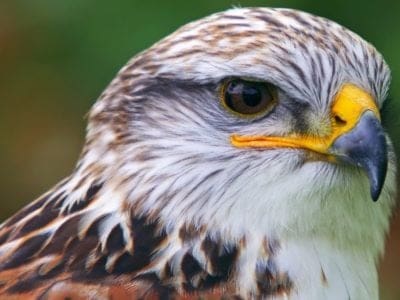
- Falcon
- Ferruginous Hawk
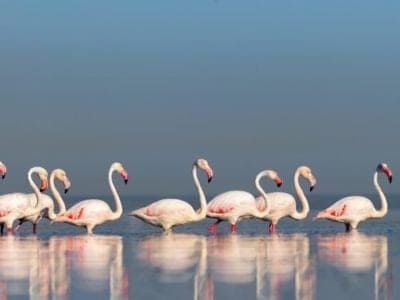
- Flamingo
- Frigatebird
- Galapagos Penguin
- Gentoo Penguin
- Golden Masked Owl
- Golden Oriole
- Goose
- Goshawk
- Gouldian Finch
- Great Blue Heron
- Great Crested Flycatcher
- Great Egret
- Green Bee-Eater
- Green Heron
- Grey Heron
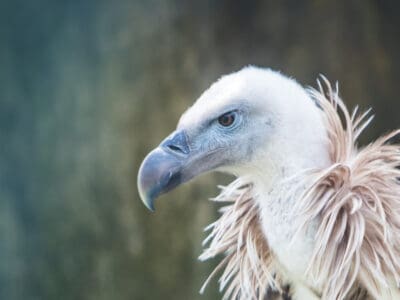
- Griffon Vulture
- Grouse
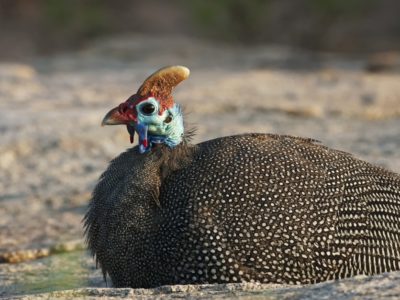
- Guinea Fowl
- Harpy Eagle
- Harris Hawk
- Hawaiian Crow
- Hawaiian Goose
- Heron
- Honey Buzzard
- Hooded Oriole
- Hoopoe
- Hornbill
- House Finch
- House Sparrow
- House wren
- Humboldt Penguin
- Hummingbird
- Ibis
- Ivory-billed woodpecker
- Jacana
- Jackdaw
- Junglefowl
- Kakapo
- Keel-Billed Toucan
- Kestrel
- Killdeer
- King Penguin
- King Vulture
- Kingfisher
- Kiwi
- Kookaburra
- Kori Bustard
- Lappet-faced Vulture
- Little Penguin
- Long-Eared Owl
- Long-Tailed Tit
- Lorikeet
- Lyrebird
- Macaroni Penguin
- Macaw
- Magellanic Penguin
- Magpie
- Mallard
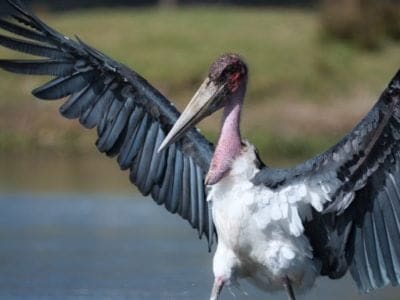
- Marabou Stork
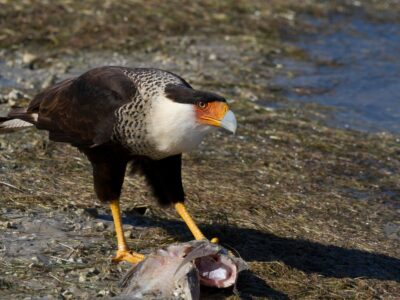
- Mexican Eagle (Northern crested caracara)
- Mississippi Kite
- Mountain Bluebird
- Mourning Dove
- Myna Bird
- Nicobar pigeon
- Night Heron
- Nightingale
- Northern Cardinal
- Orange-Crowned Warbler
- Ortolan Bunting
- Ostrich
- Owl
- Parakeet
- Parrot
- Parrotlet
- Peacock
- Pelican
- Penguin
- Peregrine Falcon
- Pesquet's Parrot (Dracula Parrot)
- Pigeon
- Pileated Woodpecker
- Potoo
- Puffin
- Purple Finch
- Quail
- Quetzal
- Red Finch
- Red Kite
- Red-Billed Quelea Bird
- Red-winged blackbird
- Ring-billed Gull
- Ringed Kingfisher
- Robin
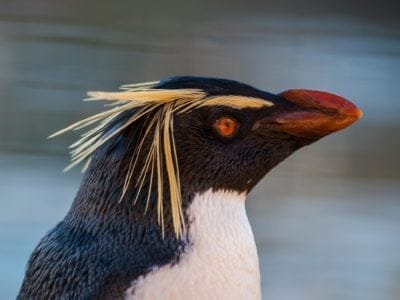
- Rockhopper Penguin
- Rooster
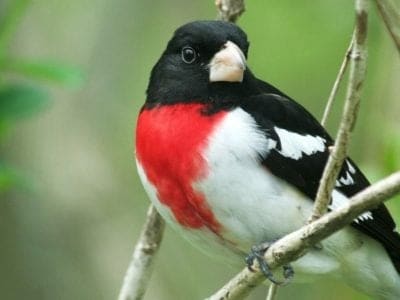
- Rose-breasted Grosbeak
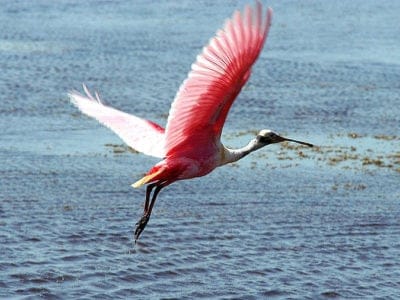
- Roseate Spoonbill
- Royal Penguin
- Ruby-Throated Hummingbird
- Ruddy Turnstone
- Savannah Sparrow
- Scarlet Macaw
- Sea Eagle
- Seagull
- Senegal Parrot
- Shoebill Stork
- Silkie Chicken
- Snowy Owl
- Song Sparrow
- Song Thrush
- Sparrow
- Sparrowhawk
- Spixs Macaw
- Stork
- Swan
- Tawny Owl
- Thrush
- Toucan
- Tree swallow
- Treecreeper
- Tropicbird
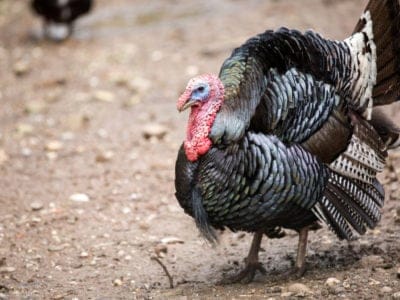
- Turkey
- Uguisu
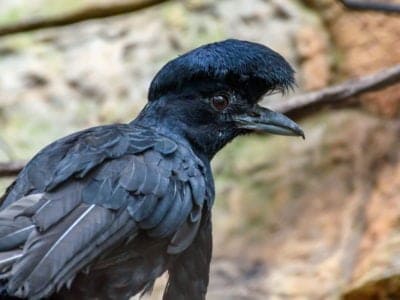
- Umbrellabird
- Ural owl
- Vulture
- Wandering Albatross
- Weaver Bird
- Whimbrel
- Whinchat
- White-Tailed Eagle
- Whooping Crane
- Willow Warbler
- Woodpecker
- Yellow-Eyed Penguin
- Zebra Finch
More Great Birds Content
- The Top 9 Largest Flying Birds in the World By Wingspan
- Top 9 Largest Eagles in the World
- What Do Ducklings Eat? 13 Foods for Baby Ducks
- The Top 10 Fastest Birds in the World
- What Do Crows Eat? 15-Plus Foods They Love!
- 7 Deadliest Birds On Earth
- Think you know Birds? Take our brand new Birds Quiz.
Birds: Different Types, Definition, Photos, and More FAQs (Frequently Asked Questions)
What are the four types of birds?
There are far more than only four types, or categories, of birds in the world. If "type" refers to "species," then the figure is closer to around 10,400. Birds can be classified into different categories in a number of ways, including flightless birds versus birds that are capable of flight and birds that live mostly on land or near water.
How are birds identified?
Birdwatching, a popular pastime, involves identifying birds in the wild. Four things are looked to when identifying birds: their size and shape, their behavior, their habitat and their color patterns. By learning the basics of each of these categories, birdwatchers can identify birds in the wild more quickly – an important aspect of the sport.
Why do birds bathe?
Bathing is a vital part of feather maintenance. Water helps to loosen up dirt and other debris that has worked its way into the feathers. Once freed of dirt, the feathers are easier to preen. During preening, birds rearrange their feathers and dispense oil from the preen gland, ensuring that their feathers remain waterproof. This also traps an insulating layer of air beneath, helping to keep the bird warm.
Which birds cannot fly?
Some of the best-known examples of flightless birds include penguins, ostriches, emus, cassowaries and kiwis.
schoonoverlesse1976.blogspot.com
Source: https://a-z-animals.com/animals/birds/
0 Response to "Exotic Bluegray Bird With Sharp Black Conical Beak"
Post a Comment